Visual inspection systems have quietly become one of the most valuable tools in modern manufacturing. While customers only see the final product, these systems work behind the scenes—scanning, verifying, measuring, and validating every detail with speed and consistency no human team could realistically match. In a world where quality, compliance, and efficiency directly impact profitability, visual inspection systems are no longer a “nice to have”—they’re a competitive necessity.
What Are Visual Inspection Systems?
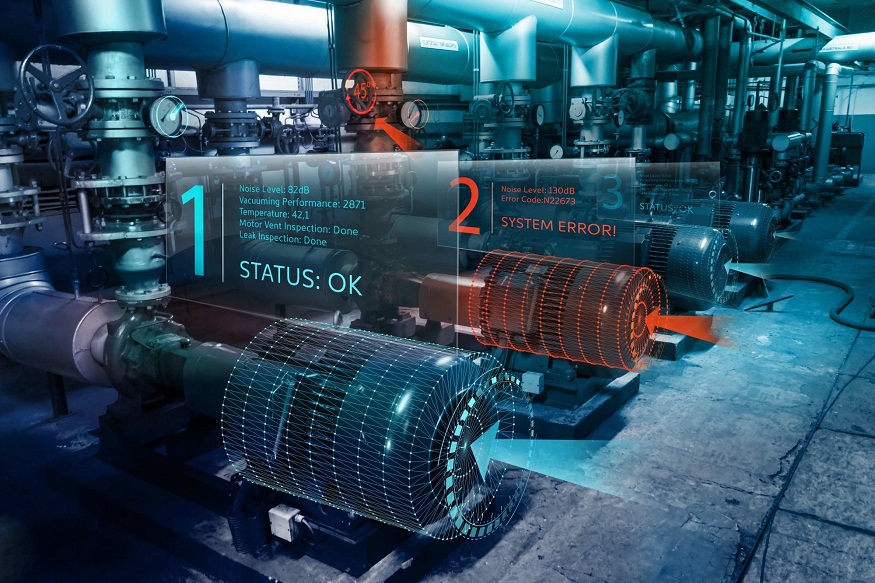
At their core, visual inspection systems use cameras, sensors, lighting, and software to automatically inspect products as they move through a production line. Unlike manual inspection, which relies on human judgment and endurance, these systems apply predefined rules and algorithms to detect defects, deviations, or missing components in real time.
Read More : Full-Service Marketing and Branding: Elevate Your Business to the Next Level
They can identify issues such as:
- Surface defects (scratches, dents, discoloration)
- Dimensional inaccuracies
- Assembly errors
- Labeling and packaging mistakes
- Presence or absence of critical parts
The result? Faster inspections, fewer errors, and far more consistent quality control.
Why Manufacturers Are Shifting Away From Manual Inspection
Manual inspection has long been the standard, but it comes with unavoidable limitations. Human inspectors get tired, distracted, and inconsistent—especially during high-volume production runs. Even highly trained teams can miss subtle defects after hours of repetitive work.
Visual inspection systems solve these problems by offering:
- 24/7 consistency without fatigue
- High-speed inspection that keeps up with automated lines
- Repeatable accuracy based on objective criteria
- Reduced labor costs and rework
Instead of replacing people, these systems allow teams to focus on higher-value tasks like process improvement and quality analysis.
Key Industries Using Visual Inspection Systems
Visual inspection systems are used across a wide range of industries, each with its own quality and compliance requirements:
Manufacturing & Assembly
From automotive parts to consumer electronics, manufacturers rely on automated inspection to ensure every component meets specifications before moving downstream.
Food & Beverage
These systems help detect packaging defects, incorrect labels, seal integrity issues, and foreign contaminants—protecting both consumers and brand reputation.
Pharmaceuticals & Medical Devices
With strict regulatory standards, visual inspection systems verify pill counts, packaging accuracy, and product integrity at extremely high precision levels.
Logistics & Packaging
Inspection systems ensure barcodes, labels, and package conditions are correct before products leave the facility.
How Visual Inspection Systems Actually Work
While configurations vary, most visual inspection systems include:
- Imaging Hardware
High-resolution cameras capture images of products at specific points on the line.
- Lighting Solutions
Controlled lighting eliminates shadows and glare, making defects easier to detect.
- Processing Software
Software analyzes images using rules, pattern recognition, or AI-based algorithms.
- Decision & Action Layer
When a defect is detected, the system can trigger alerts, reject products, or stop the line automatically.
The entire process happens in milliseconds, allowing real-time quality control without slowing production.
The Role of AI in Modern Visual Inspection Systems
Traditional rule-based inspection works well for predictable defects, but modern production environments are far more complex. That’s where AI-powered visual inspection systems stand out.
Read More : Competitive Pricing Tools: The Smart Way to Stay Ahead in Today’s Market
Using machine learning, these systems:
- Learn from real defect examples
- Adapt to product variations
- Improve accuracy over time
- Reduce false positives
This makes them especially effective for inspecting complex surfaces, natural materials, or products with slight acceptable variations.
Benefits That Go Beyond Quality Control
While quality assurance is the primary driver, visual inspection systems deliver value far beyond defect detection:
- Lower scrap and rework costs
- Improved customer satisfaction
- Stronger compliance and traceability
- Actionable production data
- Faster root-cause analysis
Over time, the data collected by these systems can highlight trends, equipment issues, and process inefficiencies that would otherwise go unnoticed.
Choosing the Right Visual Inspection System
Not all systems are created equal. When evaluating visual inspection systems, consider:
- Product complexity and variability
- Required inspection speed
- Environmental conditions (dust, vibration, lighting)
- Integration with existing equipment
- Scalability for future needs
A well-designed system should grow with your operation, not limit it.
Final Thoughts
Visual inspection systems have moved from cutting-edge technology to manufacturing essential. As production lines get faster and quality standards get tighter, relying solely on manual inspection is no longer sustainable.
By investing in visual inspection systems, businesses gain more than just defect detection—they gain confidence, consistency, and control over their production process. And in today’s competitive landscape, that level of precision isn’t just smart—it’s necessary.